GaN vs Silicon Chargers: What’s the Real Difference in 2026?
Is gallium nitride just marketing hype, or a genuine leap over silicon? Here’s the plain-English answer.

Every household has one: the old drawer charger, the kind that is half the size of a brick. Plug it in, charge a phone for a while, and the case gets hot enough that you don’t want to touch it. Meanwhile, GaN chargers sitting right next to it deliver the same power from a body the size of a candy bar and stay cool to the touch.
“GaN” has been the loudest buzzword in charging for a couple of years now. It is tempting to assume it is marketing — until you look at how these chargers actually work. The GaN vs silicon difference isn’t a tweak; it’s a full material upgrade inside the charger. Let us explain it without the jargon.
In this guide
What is a GaN charger?
Gallium nitride (GaN) is a semiconductor material — same family of materials as the silicon inside traditional chargers, but from a newer generation. Inside every charger, a switching transistor converts the wall’s high-voltage AC into the low-voltage DC your phone can eat. That conversion loses energy, and the loss becomes heat.
GaN handles higher voltages and switches far faster than silicon. Faster switching means the surrounding components can be smaller, and smaller components mean the whole charger shrinks — while efficiency improves and waste heat drops. The two-word summary: smaller and cooler. At the same wattage, a GaN charger is typically 30–50% smaller than its silicon equivalent, and some designs go even further.
Why old silicon chargers are such big, hot bricks
Silicon isn’t bad — it is just the previous generation. Its switching frequency has a practical ceiling, so to reach 45 W or 65 W, manufacturers had to pile on size and heatsinks. That is why a 45 W silicon charger from a few years ago is a chunky plastic slab, while a modern 45 W GaN charger is closer to a large candy in size.
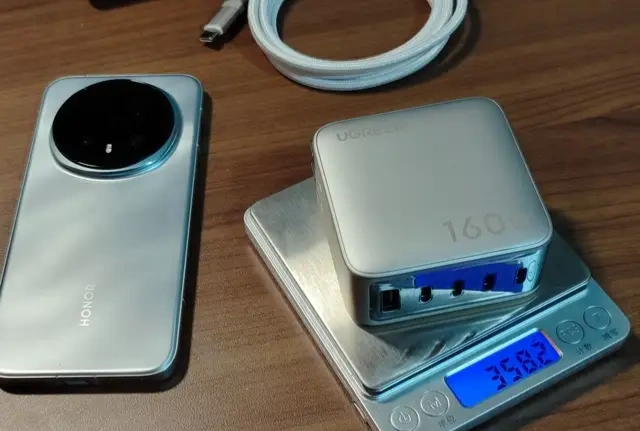
In practical terms:
- Silicon, same wattage: bigger body, more waste heat, case that gets hot under load.
- GaN, same wattage: smaller body, better efficiency, noticeably cooler operation.
One important correction to a popular myth: at identical wattage, GaN doesn’t charge faster than silicon — the charging speed is set by wattage and protocols. What GaN buys you is the same speed in a smaller, cooler, more portable package, or more watts in the same size as an old brick.
GaN vs silicon charger comparison
| GaN charger | Silicon charger | |
|---|---|---|
| Size | 30–50% smaller at the same wattage | Large; bulk grows fast with wattage |
| Heat | Cooler running, lower conversion loss | Runs hot under sustained load |
| Efficiency | Higher (less energy wasted as heat) | Lower at high power |
| Wattage in small body | 65–200 W+ in pocketable designs | Practical ceiling far lower |
| Multi-port output | Common, with smart power sharing | Rare at high wattage |
| Price | Slightly higher, falling every year | Cheap |
Real-world observations: GaN vs silicon in practice
Comparing a modern multi-port GaN charger with the older silicon charger it replaced — same devices, same wall outlet — produces consistent observations:
- Speed: no surprise — at the same wattage, identical charge curves. GaN isn’t magic for speed.
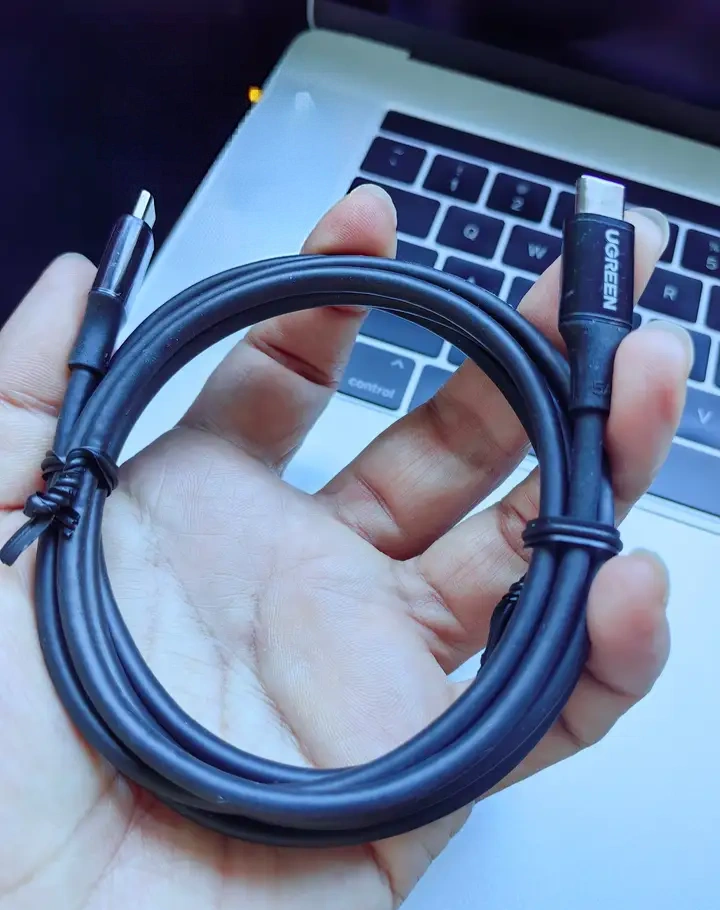
- Heat: the real gap. The GaN unit stayed at a mild warm-to-the-touch level even while pushing a laptop; the silicon unit got uncomfortably hot charging the same laptop for the same time.
- Portability: the GaN charger now lives in a backpack pocket full-time. The silicon one lives in a drawer.
- Overnight charging: the cooler operation plus protective temp management made leaving the GaN charger plugged in overnight a non-issue.
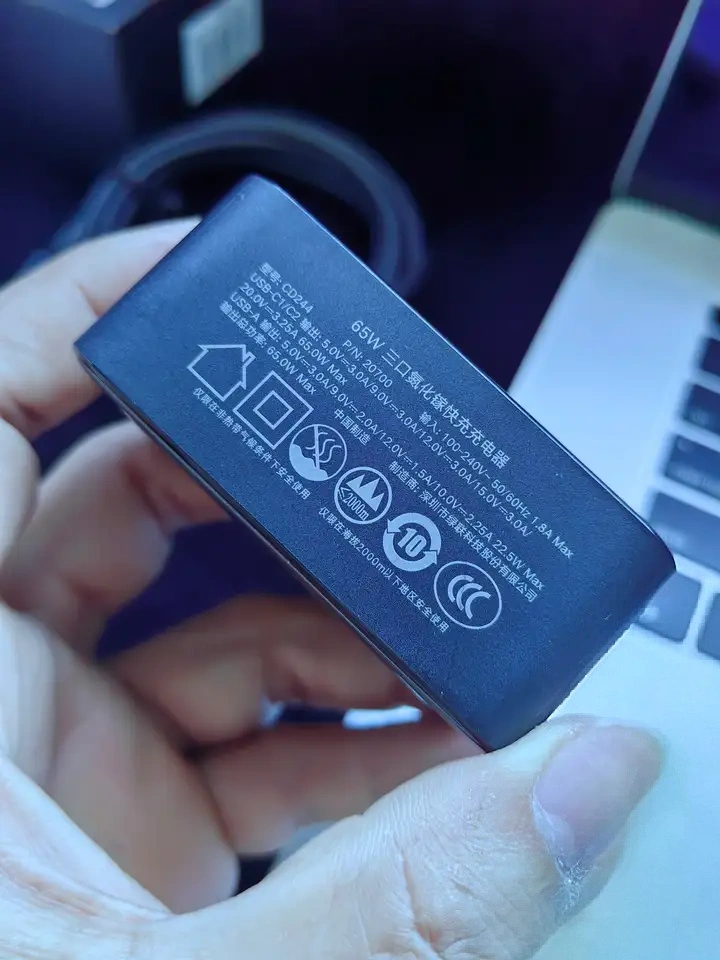
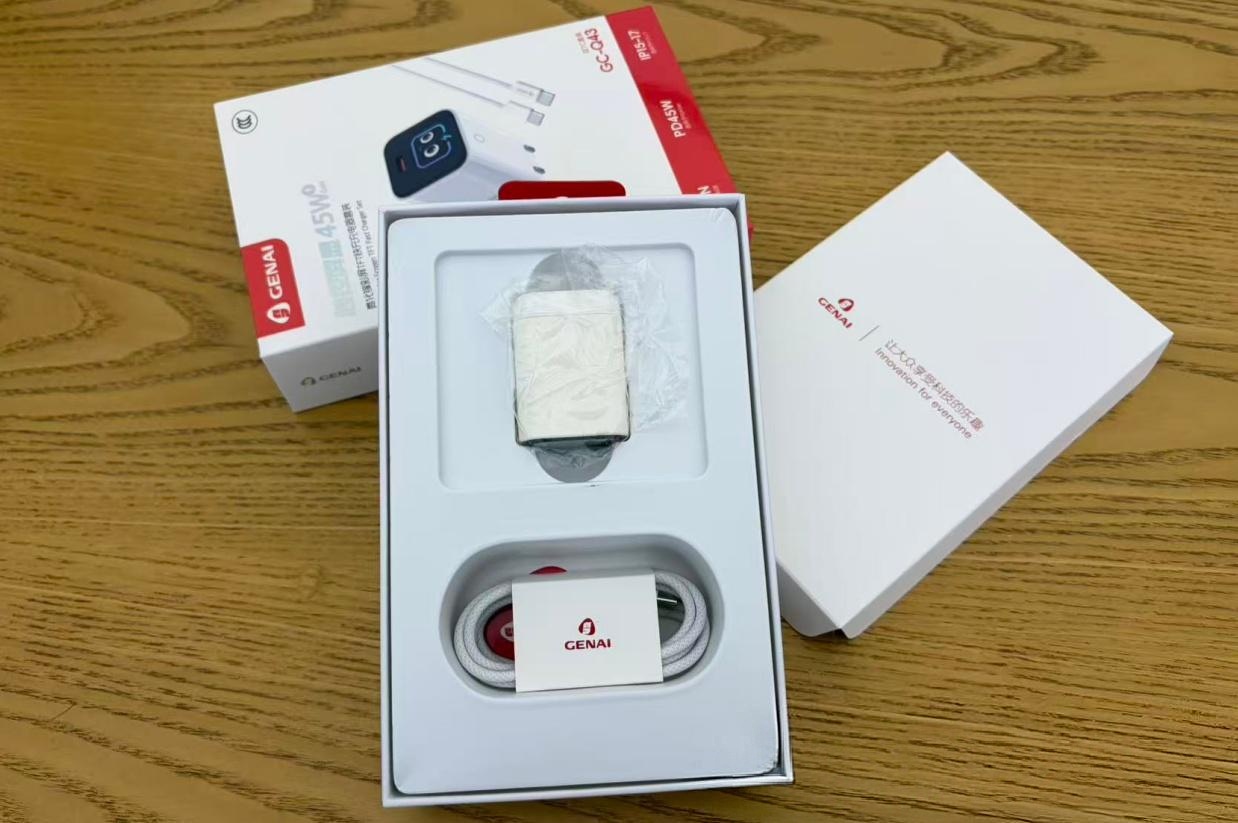
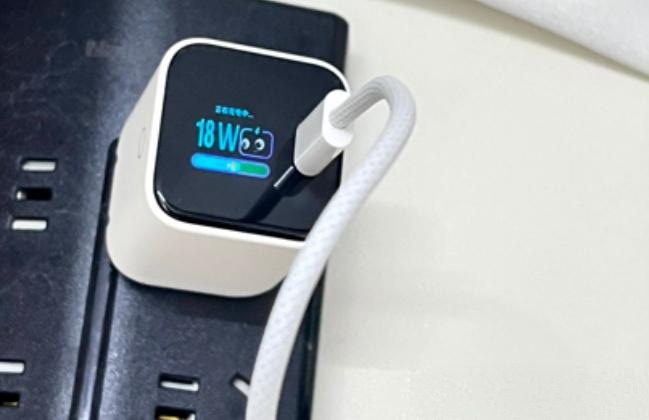
Some modern GaN chargers go a step further with active temperature management — sampling heat levels continuously and throttling pre-emptively instead of waiting until things get hot. Combined with the cool-running GaN foundation, that makes sustained high-power charging (and all-night sessions) genuinely comfortable.
Do you actually need a GaN charger?
Worth switching if…
- You travel or commute with more than one device
- Your wall outlet is a permanent multi-device hub
- You want one charger to cover laptop + phone + tablet
- Heat and overnight charging make you uneasy
You can skip it if…
- You charge one phone, in one place, every night
- Your existing charger does the job and space isn’t an issue
- You’re on a strict budget (silicon still works fine)
If you do upgrade, look for reputable brands with proper safety certifications and full protocol support. UGREEN’s Nexode GaN lineup is a good example of what modern GaN should feel like — compact multi-port chargers from 65 W travel cubes to 100 W+ desk stations, with travel-sized models featuring foldable plugs and smart power distribution.
Compare UGREEN Nexode GaN Chargers →
UGREEN regularly discounts GaN chargers — 65W travel models and 100W+ desk chargers both go on sale often.
Frequently asked questions
Is GaN actually better than silicon?
For the same wattage, yes in practical terms: GaN chargers are smaller, lighter, run cooler and waste less energy. The trade-off is a slightly higher price, which keeps shrinking each year.
Does a GaN charger charge faster than a normal charger?
No — speed is set by wattage and the fast-charge protocol both ends support. At the same wattage, GaN and silicon charge identically; GaN just delivers that wattage from a much smaller, cooler package.
Why do GaN chargers cost more?
Gallium nitride components are newer and pricier to manufacture than silicon. Volume production has brought prices down a lot, and 45–65 W GaN chargers are now very affordable.
Can a GaN charger replace my laptop charger?
Usually yes — check that the charger matches your laptop’s required wattage and USB-C PD support. A 65 W GaN charger covers most ultrabooks; larger laptops want 100 W or more.
Final verdict
The gap between GaN and silicon chargers isn’t a number on a spec sheet — it’s a whole-generation jump in the material doing the work. Smaller, cooler, more efficient and more portable for the same speed. Comparing 2026 GaN chargers to the bricks of the silicon era is like comparing touchscreens to resistive displays from the 2000s: once you’ve lived with the better version, it’s hard to go back.
Still not sure which wattage you need? Read our GaN charger buying guide or jump straight to the UGREEN 65W review for a detailed hands-on recommendation.